Method, rights & provenance
See how every connection is classified.
Emmaus Atlas keeps the type, warrant, dates, sources, and open questions beside each reading. The interpretation and its supporting evidence stay together.
01
Connection grammar
Type says what; warrant says why.
A link can be fulfillment, dual fulfillment, typology, quotation, allusion, doctrine, or a lectionary pairing. Its warrant records the strongest principal basis: New Testament explicit, New Testament allusion, patristic, liturgical, commentary, or traditional.
- NT explicit
- The New Testament itself quotes or directly applies the earlier passage.
- Patristic
- An identified Church Father supplies the principal interpretive basis.
- Liturgical
- The Roman lectionary or liturgical text deliberately places the readings together.
- Traditional
- A durable Catholic reading that still requires precise supporting sources.
02
Chronology
Conservative dates, honest intervals.
Passages sit on the timeline at their conservative written cutoff, or the later event where appropriate. Years use signed historical notation: negative is BC, positive is AD, and there is no year zero. A link’s minimum gap is recomputed on every build.
03
Text and interpretation
What an ancient manuscript establishes.
The Israel Museum dates the Great Isaiah Scroll to about 125 BC. It preserves Isaiah before Christianity and provides evidence for the book’s ancient wording. The date of a surviving copy is distinct from the date when its contents were composed; it does not by itself establish an earlier composition cutoff.
A manuscript can show that a passage was already in circulation. Its application to Christ must be explained through the New Testament and the Church’s interpretation. Those are distinct claims, each needing its own evidence.
04
Pinned corpora
Text never arrives from a mutable build-time URL.
Catholic Public Domain Version
Original EditionPrimary personal-study text. The source identifies Ronald L. Conte Jr. as sole translator and does not state ecclesiastical or liturgical approval.
Exact source · Rights evidence · status: imported
Douay-Rheims Bible, Challoner Revision
1899 Baltimore editionSecondary public-domain comparison text, normalized from the checksum-pinned eBible.org 1899 Douay-Rheims USFM archive.
Exact source · Rights evidence · status: imported
Each normalized book is checked into Git. Its manifest records upstream revision, retrieval time, original checksum, normalized checksum, rights evidence, and normalizer version.
05
Publication discipline
An import does not make a passage ready to publish.
Every passage mapping begins as “needs review,” and every interpretive link begins as draft. Preview builds show those labels and block indexing; production builds fail unless the curated closure passes versification, source, citation-coverage, issue-resolution, and provenance gates.
06
Bounded visual references
Historic art only; no generated sacred imagery.
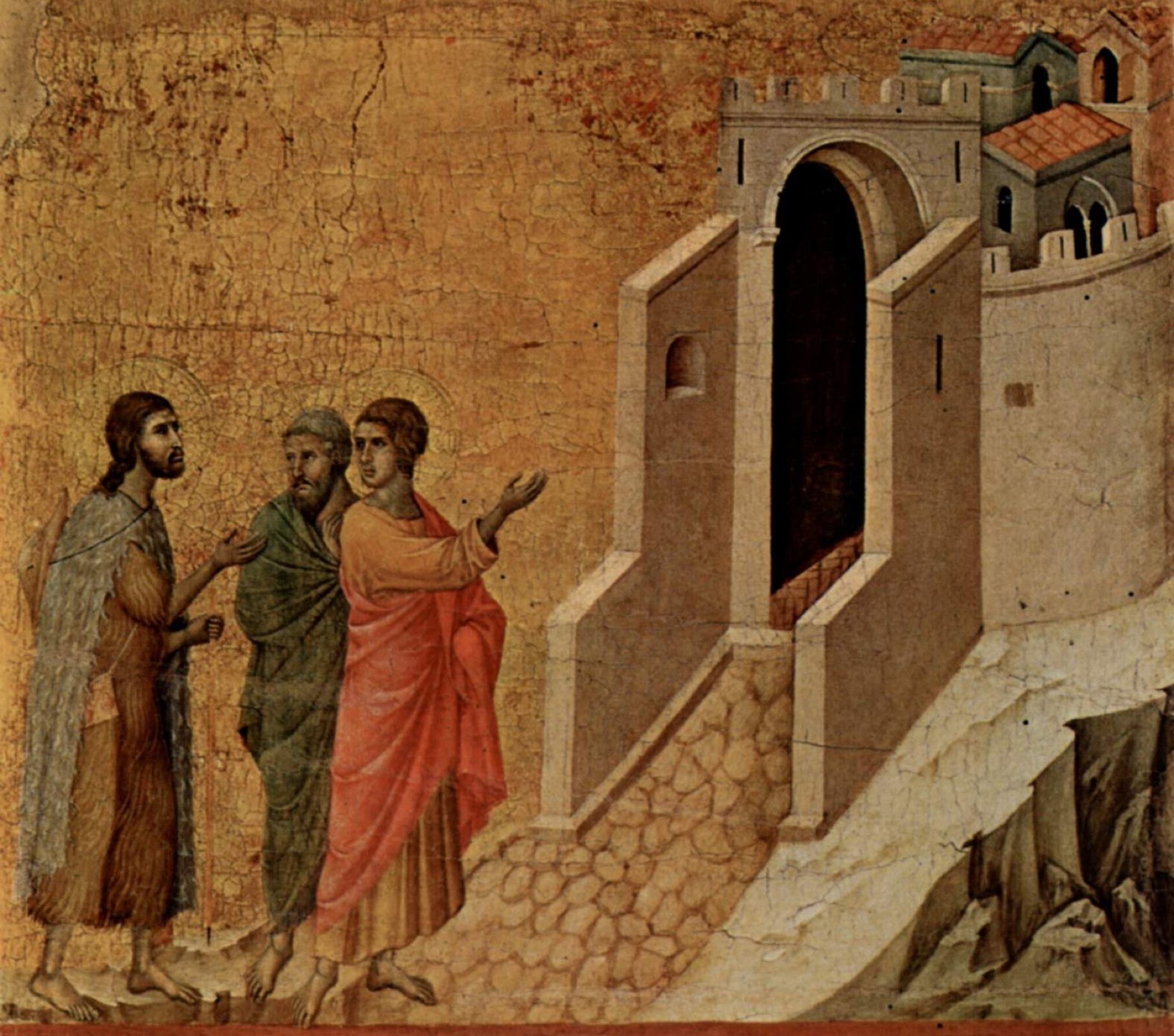
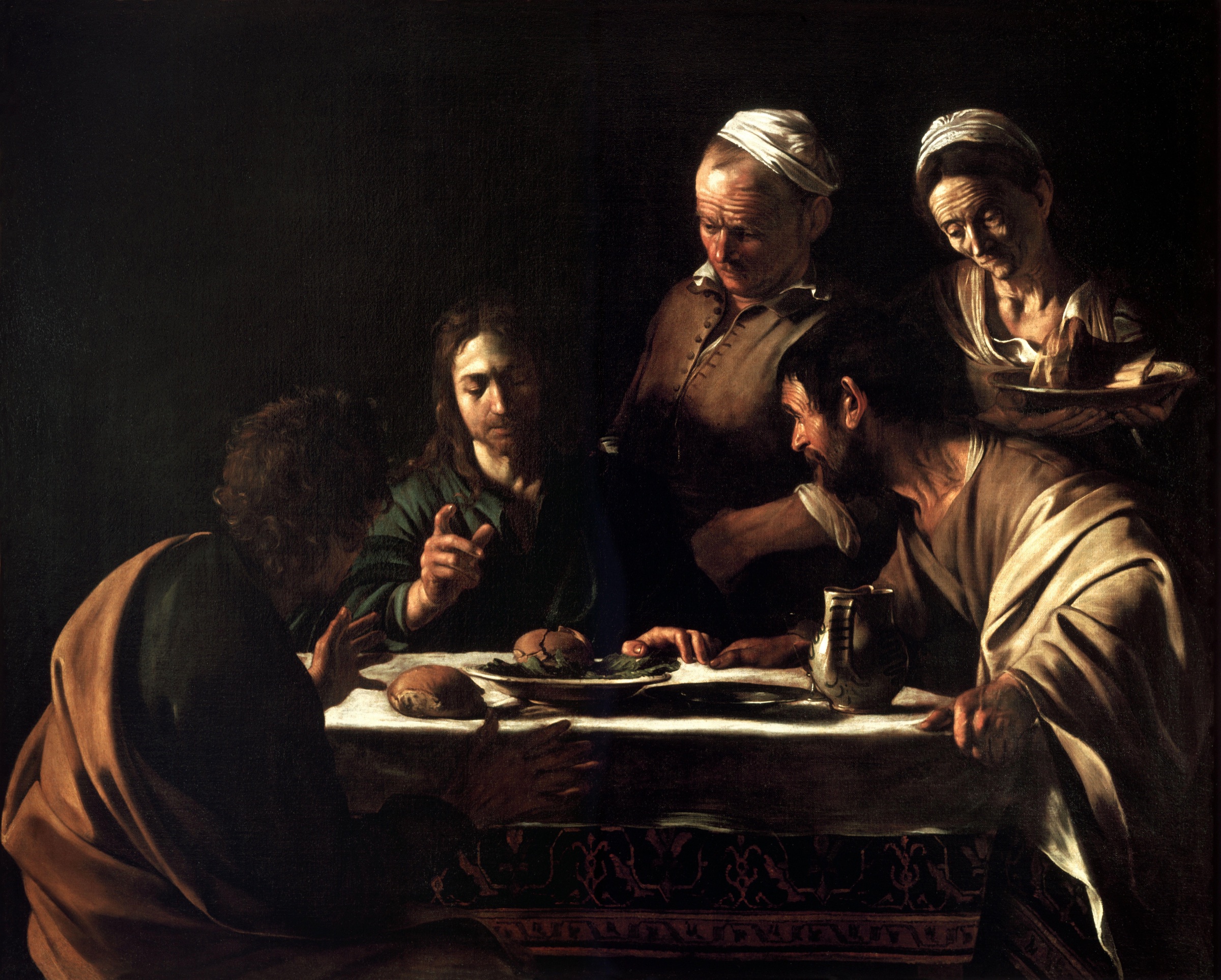
Source pages, license status, local filenames, crop notes, and alt text are preserved in public/art/manifest.json.